


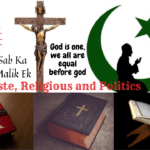

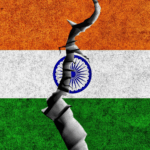

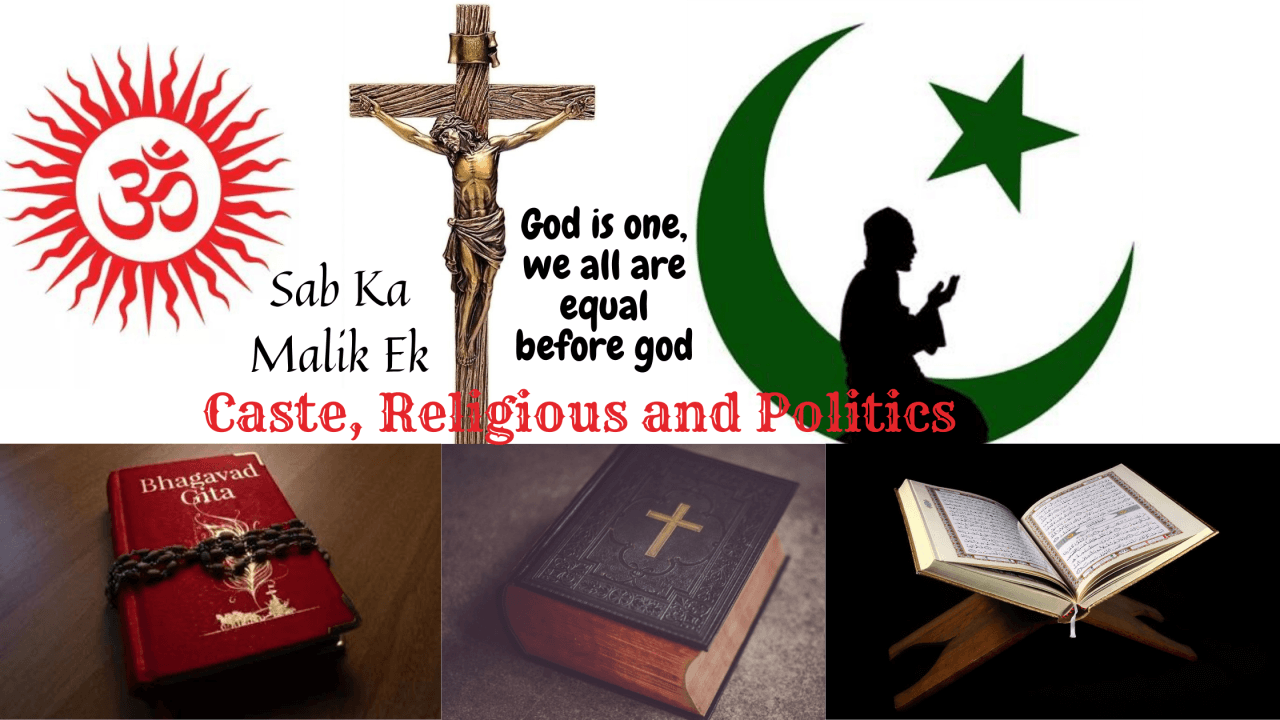
India is a land of diversity—different cultures, languages, traditions, and beliefs. This diversity should be a strength. But in reality, religion and caste often become tools of division rather than unity. The question is: why are people still so deeply influenced by these identities, and how do politicians use them to manipulate public opinion?
The Deep Roots of Religion and Caste
Religion and caste are not new concepts in India. They are centuries-old systems that have shaped social structures, identities, and communities. For many people, these are not just beliefs—they are emotions, pride, and a sense of belonging.
Because these identities are so deeply personal, they can easily override logic and critical thinking. When people feel that their religion or caste is under threat, they react emotionally rather than rationally.
Why People Get Easily Influenced
There are several reasons why religion and caste still dominate public thinking:
- Emotional Attachment: People grow up associating their identity with religion and caste.
- Lack of Awareness: Many individuals are not exposed to critical thinking or unbiased information.
- Fear and Insecurity: Politicians often create fear that “your community is in danger.”
- Social Pressure: Society sometimes rewards blind loyalty over independent thinking.
These factors make it easier for people to be influenced and divided.
The Political Strategy Behind Division
Politicians understand one simple truth: a divided population is easier to control.
Instead of focusing on real issues like:
- Employment
- Education
- Healthcare
- Infrastructure
They shift the conversation toward religion and caste. Why?
Because emotional debates distract people from asking real questions.
Common Tactics Used:
1. Creating “Us vs Them”
Political narratives often create a divide:
- One religion vs another
- One caste vs another
This creates conflict and keeps people busy fighting each other instead of questioning leadership.
2. Spreading Fear
Messages like:
- “Your religion is in danger”
- “Your caste is being ignored”
These are designed to trigger fear and loyalty at the same time.
3. Media Amplification
Certain sections of media highlight controversial topics related to religion and caste repeatedly. This keeps people emotionally charged and distracted from real issues.
4. Vote Bank Politics
Instead of development, politicians focus on securing votes from specific communities by promising protection or benefits based on religion or caste.
The Cost of This Division
When society is divided:
- Development slows down
- Corruption increases
- Real problems remain unsolved
- Citizens lose their power to demand accountability
In short, the common person suffers the most.
What Should People Do?
The solution is not to abandon religion or identity—but to rise above blind attachment.
Practical Steps:
- Ask Questions: Demand answers on jobs, economy, and development.
- Verify Information: Don’t believe everything you see on social media.
- Think Rationally: Separate emotion from facts.
- Vote Wisely: Choose leaders based on performance, not identity politics.
Conclusion
Religion and caste are powerful aspects of Indian society, but they should not be tools for manipulation. When people become aware and start questioning narratives, the power shifts back to the citizens.
A strong democracy is built not on division, but on awareness, unity, and accountability.
The real question is not whether politicians are dividing people—the real question is: why are people still allowing it?

I am Komal Hatwaani, aims to provide readers with informative and engaging content that covers everything from technology and business to entertainment and lifestyle. This website dedicated to delivering high-quality content that informs, entertains, and inspires our readers.
Join us on our journey as we continue to explore the ever-evolving landscape of news and information, providing you with valuable insights and perspectives that enrich your digital experience.