






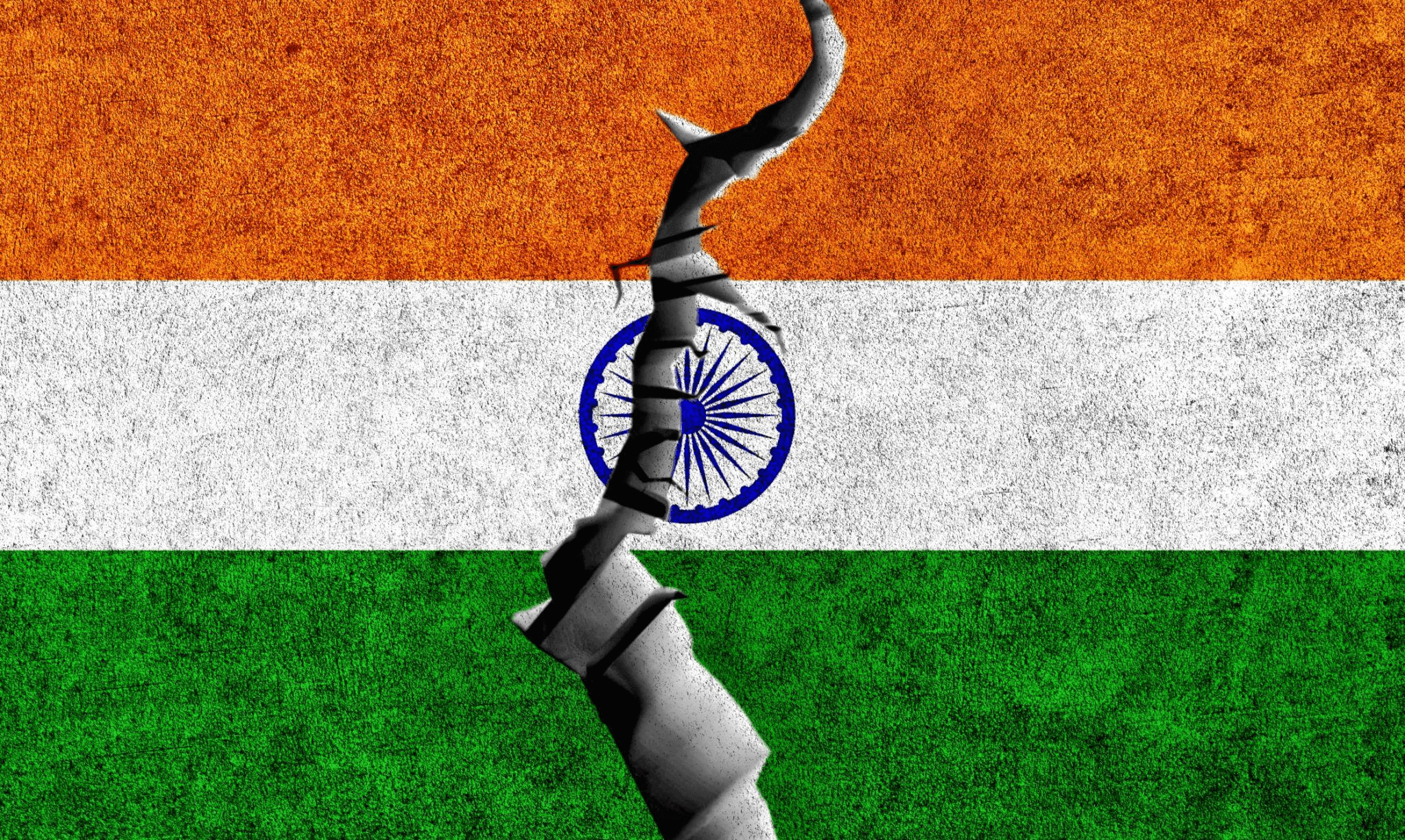
In a democracy like India, politics plays a powerful role in shaping people’s lives. It decides policies, prices, jobs, education, and even the national mood.
But many citizens feel that politics sometimes becomes divisive, emotional, and distracting—especially when sensitive topics like religion dominate public debate.
👉 This raises important questions:
- Why does this happen?
- Is it intentional?
- And what is the role of citizens?
⚠️ Why Politics Can Become “Dangerous”
1. 🧠 Emotional Issues Are Powerful
Topics like religion, identity, and nationalism are deeply personal.
When political discussions focus heavily on these:
- People react emotionally, not logically
- Debate turns into arguments
- Society becomes divided into “us vs them”
👉 Emotional polarization can weaken rational decision-making.
2. 📱 Distraction from Core Issues
Sometimes, critics argue that public attention shifts away from:
- Unemployment
- Inflation
- Education
- Healthcare
Instead, debates revolve around identity-based issues.
👉 Whether intentional or not, this shift can make it harder for citizens to focus on day-to-day governance issues.
3. 🗳️ Power of Narrative
Political parties—whether the Bharatiya Janata Party, Indian National Congress, or others—use narratives to:
- Mobilize supporters
- Strengthen loyalty
- Win elections
👉 Narratives are not always false—but they can be selective.
4. 📺 Media & Information Overload
Platforms like YouTube and Twitter amplify:
- Breaking news
- Opinions
- Debates
But:
- Not all information is verified
- Some content is exaggerated for attention
👉 This creates confusion and sometimes misinformation.
❓ Why Citizens Must Ask Questions
1. 🧾 Democracy Requires Accountability
In a democracy, governments are elected by the people.
👉 That means:
- Leaders are answerable to citizens
- Policies should be questioned and evaluated
Asking questions is not anti-national—it is democratic responsibility.
2. 📊 Better Governance Comes from Pressure
When citizens ask:
- “Why are prices rising?”
- “What about jobs?”
- “Where is public money going?”
👉 Governments are more likely to:
- Improve performance
- Be transparent
- Deliver results
3. 🧠 Preventing Blind Belief
Blind trust in any political party can be risky.
Why?
- No government is perfect
- Mistakes and failures happen
- Without questioning, issues go unaddressed
👉 Healthy skepticism leads to better decision-making.
🚫 Why You Should Not Believe Any Party Blindly
1. All Parties Have Strengths & Weaknesses
No matter the party:
- Some policies work
- Some don’t
👉 Blind support ignores reality.
2. Leaders Are Humans, Not Perfect
Even popular leaders can:
- Make wrong decisions
- Avoid tough questions
👉 Respect is fine—blind faith is not.
3. Information Can Be Biased
Different sources show different perspectives.
👉 If you only consume one side:
- Your view becomes limited
- You may miss important facts
🧠 The Smart Citizen Mindset
✔ Ask questions to every government
✔ Verify news before believing
✔ Focus on real-life issues (jobs, economy, education)
✔ Respect different opinions
✔ Avoid extreme labels and hatred
🧾 Final Thought
Politics becomes “dangerous” not just because of leaders—but when:
- Citizens stop questioning
- Emotions overpower logic
- Society becomes divided
👉 The real strength of India lies in aware, questioning, and responsible citizens.
A strong democracy is not built on blind followers—but on informed thinkers.

I am Komal Hatwaani, aims to provide readers with informative and engaging content that covers everything from technology and business to entertainment and lifestyle. This website dedicated to delivering high-quality content that informs, entertains, and inspires our readers.
Join us on our journey as we continue to explore the ever-evolving landscape of news and information, providing you with valuable insights and perspectives that enrich your digital experience.