







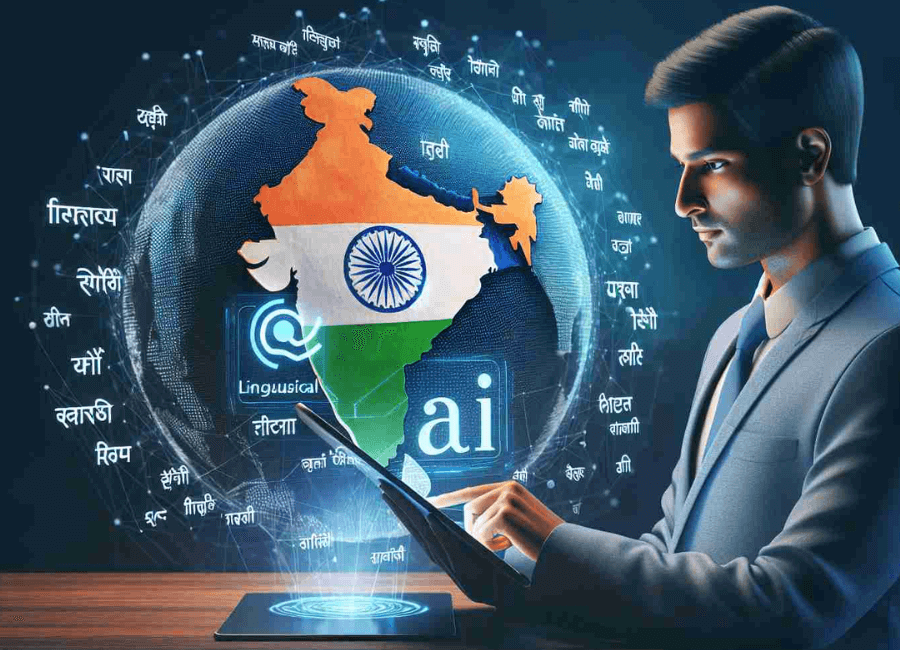
India’s growing interest in AI tools—across all categories like education, productivity, finance, healthcare, and entertainment—is driven by a unique mix of opportunity, necessity, and curiosity. Here’s a detailed explanation of why this interest is rising and why it could become risky in the future:
How India’s Youth Is Fueling the AI Craze
✅ 1. Accessibility and Affordability
- Free and low-cost AI tools (like ChatGPT, Gemini, and AI image/video generators) are now widely available to Indian users.
- AI is being integrated into regional languages, making it more usable across India’s diverse population.
✅ 2. Educational Demand
- Students and professionals are using AI for:
- Homework help
- Exam preparation
- Resume building
- Coding support
- Tools like ChatGPT offer instant answers, which is hugely attractive in a competitive academic environment.
✅ 3. Gig & Productivity Boost
- Small businesses, freelancers, and content creators are leveraging AI for:
- Social media content
- Logo & graphic design
- Document drafting
- AI helps people work faster and cheaper, which is crucial in India’s price-sensitive market.
✅ 4. Tech-Savvy Youth
- India has the world’s largest young population (under 35) who are highly adaptive to new tech trends like AI, crypto, and metaverse.
✅ 5. Influence of Social Media & YouTube
- Millions of Indian influencers, educators, and “side hustle” channels are actively promoting AI tools as the next big shortcut for making money, learning faster, or gaining social media success.
⚠️ Why AI Can Be Dangerous for Personal Data in India
❌ 1. Weak Data Protection Laws (So Far)
- India’s Digital Personal Data Protection Act, 2023 is still in early enforcement stages.
- Many AI tools operate without local data storage or strict user consent models, which can lead to cross-border data misuse.
❌ 2. Excessive Data Sharing
- Indians often use free apps in exchange for giving access to:
- Contacts
- Photos
- Location
- Payment history
- AI chatbots, image generators, and financial tools may collect and store this data without users fully understanding how it’s used.
❌ 3. Deepfake & Voice Cloning Risks
- Tools that can mimic voices, faces, and handwriting are widely accessible.
- In India, where fraud through WhatsApp and phone calls is already a problem, AI makes it easier to:
- Create fake loan requests using cloned voices
- Scam people with deepfake videos
❌ 4. Phishing and Social Engineering
- AI can be used to:
- Write highly convincing scam emails in regional languages
- Imitate personal communication styles (from analyzing public social media)
❌ 5. Lack of AI Awareness
- A large portion of India’s population is still digitally semi-literate.
- Many people cannot distinguish between a real message and an AI-generated scam.
🚨 Real-World Example from India
- In 2024, voice cloning scams in Bengaluru tricked people into transferring money after hearing the familiar voice of their boss or family member (which was AI-generated).
- Deepfake videos of political leaders also circulated during election campaigns, spreading misinformation.
✅ Summary Table
| Why AI is Popular in India | Why AI Can Be Dangerous |
|---|---|
| Free or low-cost access | Weak data privacy enforcement |
| Boosts education & gig work | Voice cloning & deepfake scams |
| Helps small businesses grow | Misuse of personal & financial data |
| Social media driven | AI-powered phishing |
| Tech-savvy youth adoption | Low AI awareness in rural areas |
🔐 Final Thought:
AI can empower India’s growth if used responsibly, but data privacy, AI education, and regulation need to move faster to protect users from exploitation.
If you’d like, I can help you create content on how to use AI safely in India or a guide on identifying AI scams. Would you like that? 😊

I am Komal Hatwaani, aims to provide readers with informative and engaging content that covers everything from technology and business to entertainment and lifestyle. This website dedicated to delivering high-quality content that informs, entertains, and inspires our readers.
Join us on our journey as we continue to explore the ever-evolving landscape of news and information, providing you with valuable insights and perspectives that enrich your digital experience.